

From the Desk of: Steve Elliott
Perhaps I should have started this weekly discussion here because I'm reaching back to a "core memory" in my winding journey in direct response development.
Today's question:
What is your organization's most valuable asset?
Early in my professional journey, I was an anonymous ghostwriter working deep in the bowels of the Christian Broadcasting Network's direct marketing department. CBN is one of the largest Christian ministries in the world and was founded and led by one of the most brilliant direct response marketers of our time: the late Pat Robertson.
One of my lifelong mentors, Bill Sidebottom, and I had just finished lunch and we were driving by the CBN campus. 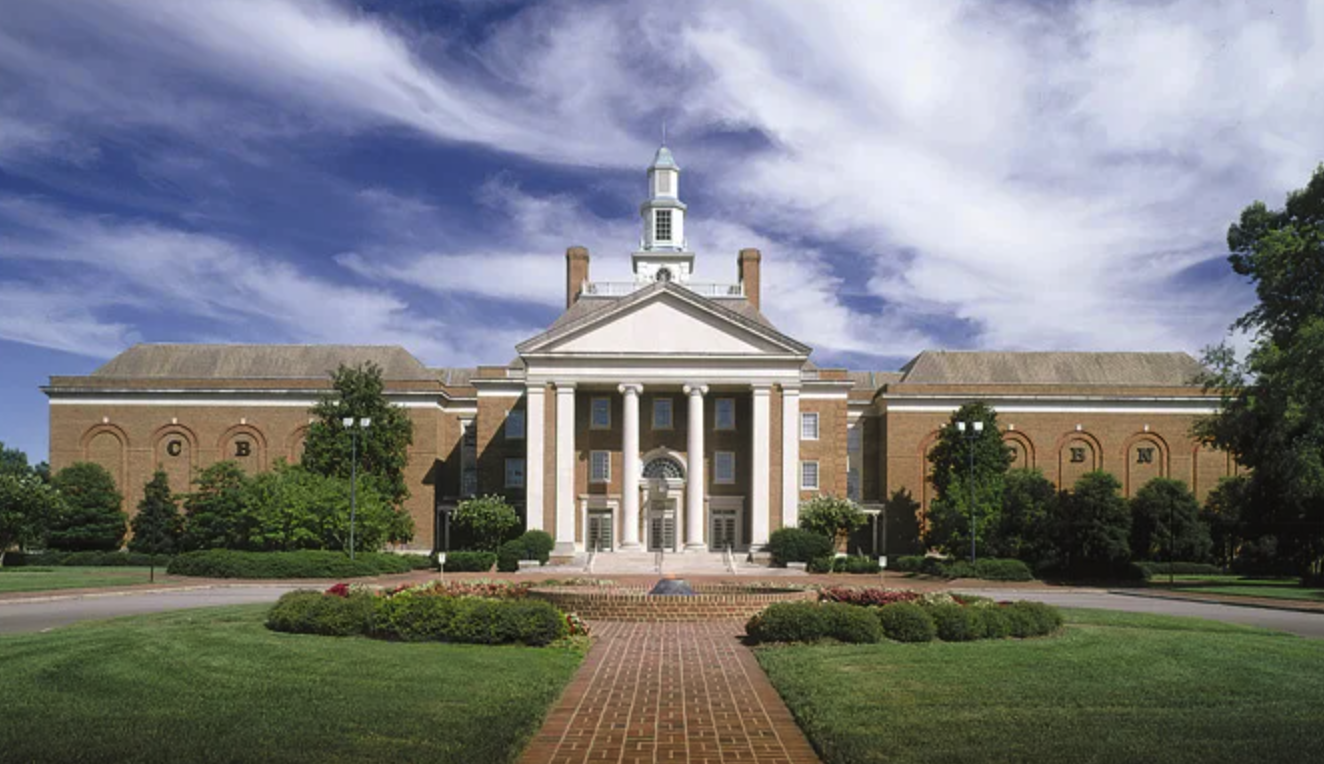 The campus consists of a series of beautiful, oversized and extremely regal Georgian brick buildings that almost feel overwhelming. The first time I came to the CBN campus, the buildings didn't seem real. And the landscaping is immaculate. It's hard to put a value on the campus, but I imagine it extends into the hundreds of millions of dollars.
+ + Bricks and mortar...
As we drove by the campus on Indian River Road, Bill offered a food-for-thought question that would serve to direct the next few decades of my professional journey.
"What do you think is the most valuable asset at CBN?" Bill asked.
I looked at the campus. The answer seemed obvious to me...
"The buildings?" I replied.
"No. Not even close."
Then I remembered that there were several gigantic satellite dishes just outside the CBN building where I worked. I saw those dishes every day. Those satellite dishes made CBN a pioneer in satellite and cable television and "beamed" CBN programming around the world. That must be it...
"The satellite dishes?"
"Nope. Guess again."
I kept guessing. The brand? Pat Robertson? Until I ran out of guesses.
It didn't matter. All my guesses were wrong.
That's when Bill -- with a knowing grin on his face but probably not realizing he was about to shift the course of my professional life -- gave me the answer...
"It's the donor database, Steve. That database produces hundreds of millions of dollars of donations every year. Year after year."
Bill went on to explain that the donor or customer data is the most valuable asset for just about every organization.
+ + How I view organizations changed...
The more I thought about it, the more it rang true. I immediatly began to view every business  and every organization differently. What's the most valuable asset for Wal Mart? The customers. How about your church? The members. It's the same for every non-profit and political organization.
I hope this truth sinks in. I hope it helps to shift your perspective on the "dirty work" of fundraising. The development team (like the sales team) is often looked down upon by others in the organization....
If we could just do without the fundraisers....
But nothing could be further from the truth. Those who work in the "development" arena aren't working on some sideshow of an organization. Your work is building the most valuable asset of that organization. You are also developing the very heart and soul of your organization.
+ + Donors grant you authority
I say "heart and soul" because development work extends far beyond the bottom line we work so hard to chase. Something else is happening in that interaction between donors and the organization. It's a principle enshrined in our Declaration of Independence:
"Just powers are derived from the consent of the governed."
Thomas Jefferson was actually tapping into a biblical principle we find in the Old Testament where the people gave their consent to (or withdrew their consent from) kings.
God designed authority to ultimately flow from the bottom to the top in every association of people, including your organization.
Thus, any "authority" your organization has to speak and act in an arena ultimately comes from your supporters -- those who "vote" and give their "consent" to your vision and mission with their prayers and support and volunteer efforts.
This perspective changes everything.
Here are a few takeaways to consider...
First, your donor base is your most valuable and important asset. Never forget it.
Second, development is not just a necessary side show. It's much more. Building your donor asset should be front-and-center to your organization's efforts.
Third, develop a culture centered around serving your supporters, instead of seeing them as serving you. Donors have real "consent" authority. Serve them well and they will honor you with their support.
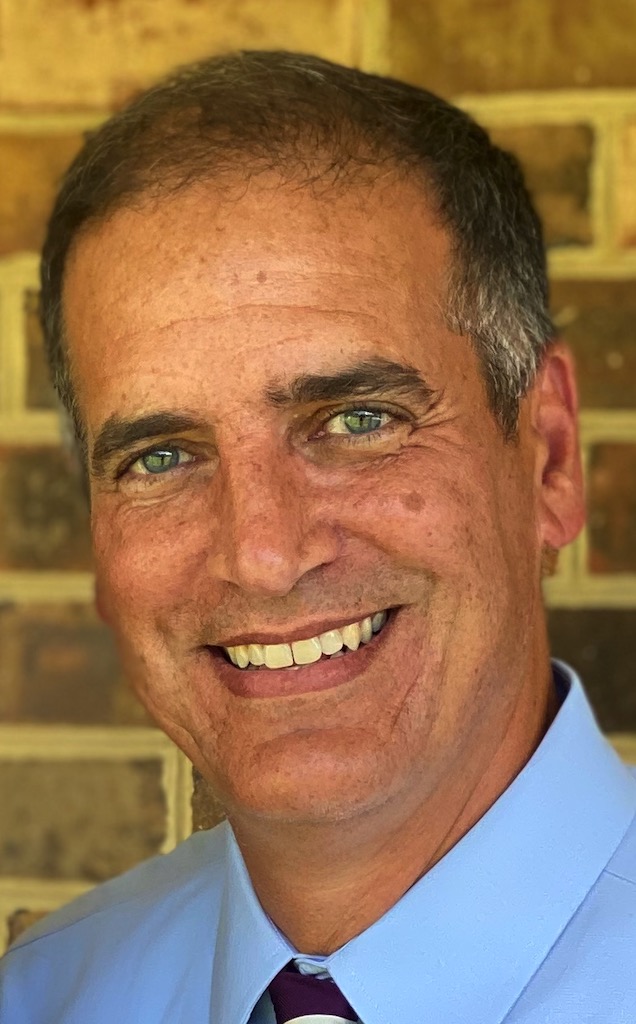
Finally, I mentioned above that this brief discussion with my mentor, Bill, changed the course of my professional life. Bill opening my eyes to the value of the database led directly to me starting a business (Grassroots Action) dedicated to building data, not programs. I'm still doing that today.
I'd love the opportunity to help you build your most valuable asset and serve your supporters well. Give me a call or set up a time to chat below.
Steve Elliott
[email protected]
P.S. A great place to start is with a Strategic Assessment of your direct response program. Go here to find out how a Strategic Assessment might help you. Next week: Three fatal mistakes of emails.
Set up a 15 minute call with Steve.
Have a co-worker or friend you'd like to receive "ideas"? Add them here or forward this link.
Upcoming "ideas":
- The hottest trend in development right now.
- Apple is spoofing your emails. Here's what it means
- Are your systems "siloed" or integrated?
- If it takes you more than 5 minutes to set up a donation page, you've got issues
- Do you have a vision problem or a too-much-vision problem?
- Here's a great way to publish/distribute a book as a premium...
- The most important metric in determining the success of your donor database program
- How many emails should your organization send?
- How much should I spend to acquire new donors?
© 2025 Steve Elliott. Grassroots Action, Inc.

Do you like this page?